AbE Science
Enzymes • Antibodies • Biotechnology
Understanding the Science of Enzymes and Antibodies
AbE Science is an educational platform exploring enzyme biology, antibody science, protein function, and their applications in biotechnology, diagnostics, therapeutics, and scientific research.
Explore the Science of Enzymes and Antibodies
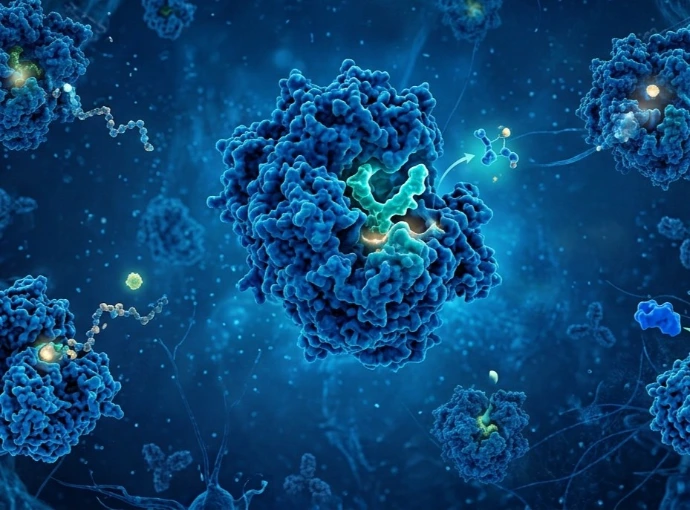
Enzyme Science
Understand how enzymes catalyze biochemical reactions, recognize substrates, and regulate biological processes. Explore enzyme structure, kinetics, inhibition, classification, and applications in biotechnology, industrial bioprocesses, and research.
Explore enzyme biology, catalytic mechanisms, and practical applications.
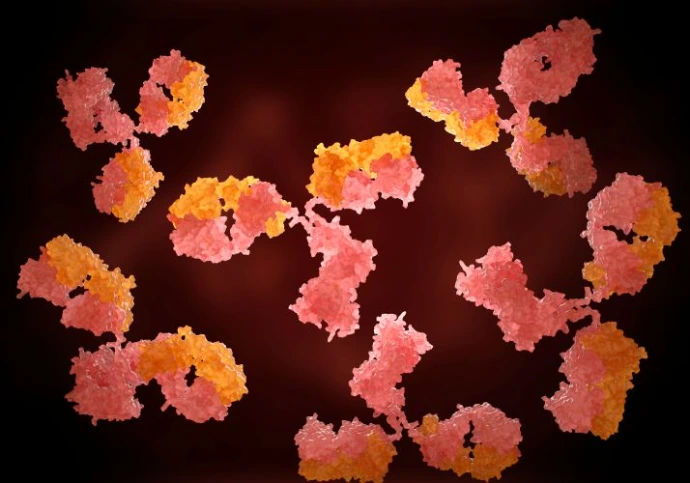
Antibody Science
Discover how antibodies recognize antigens and contribute to immune defense, disease detection, and targeted therapies. Learn about antibody structure, specificity, monoclonal antibodies, antibody engineering, and their role in modern biomedical research.
Explore antibody biology, immunotechnology, and therapeutic applications.
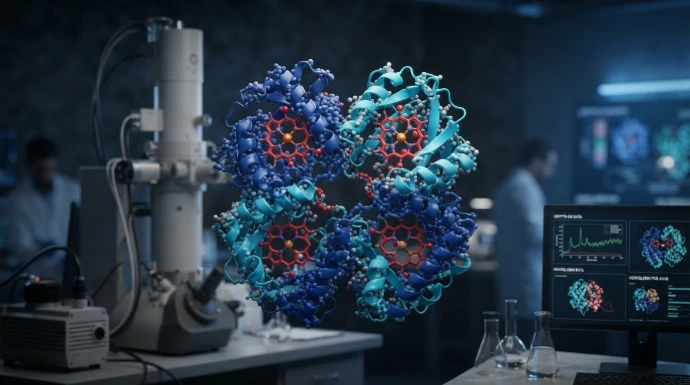
Protein Structure and Function
Explore the relationship between protein structure, molecular interactions, and biological activity. Learn how proteins fold, bind their molecular targets, and perform specialized functions, from enzymatic catalysis to immune recognition.
Discover the molecular principles connecting protein structure and function.
Our Goals
Explore Molecular Science
Understand enzyme activity, antibody function, and protein structure through clear, accessible scientific explanations.
Learn Through Research
Discover educational guides, scientific articles, and reliable resources that connect biological concepts with current research.
Discover Biotechnology Applications
Explore how enzymes and antibodies contribute to diagnostics, therapeutics, laboratory methods, and industrial biotechnology.
Exploring Enzymes and Antibodies: From Molecular Biology to Biotechnology
Enzymes and antibodies are essential biological molecules with important roles in cellular processes, scientific research, and modern biotechnology. AbE Science explores their structure, function, and applications through accessible scientific explanations and research-based learning resources.
What Are Enzymes?
Enzymes are biological catalysts that accelerate chemical reactions without being consumed in the overall reaction. Most enzymes are proteins that act on specific substrates, supporting processes such as digestion, metabolism, DNA replication, and energy production.
In biotechnology, enzymes are used in industrial bioprocessing, food production, molecular biology, and diagnostic testing. Their activity depends on factors such as temperature, pH, substrate concentration, and inhibitors.
What Are Antibodies?
Antibodies, also known as immunoglobulins, are proteins produced by plasma cells that recognize specific antigens. They help the immune system identify and respond to pathogens and other molecular targets.
Antibodies are widely used in biomedical research, diagnostic assays, and targeted therapies. Monoclonal antibodies are particularly valuable because they are designed to recognize a specific target or epitope.
How Do Enzymes and Antibodies Work Together?
Although enzymes catalyze reactions and antibodies recognize antigens, these molecules can work together in laboratory techniques. In an enzyme-linked immunosorbent assay (ELISA), antibodies recognize the target, while an enzyme generates a measurable signal that helps detect or quantify the substance.
This combination is important in research, immunoassays, and diagnostic technologies.
Why Are These Molecules Important in Biotechnology?
Enzymes support efficient biochemical reactions in industrial processes, while antibodies enable researchers to detect biological targets and develop targeted treatments. Studying their structure, specificity, and molecular interactions helps scientists improve diagnostic methods, investigate disease mechanisms, and develop new biotechnological applications.
Frequently Asked Questions
What is the main difference between enzymes and antibodies?
Enzymes accelerate chemical reactions, whereas antibodies recognize and bind specific antigens.
Are all enzymes proteins?
No. Most enzymes are proteins, but some RNA molecules called ribozymes also catalyze reactions.
Can enzymes and antibodies be used in diagnostics?
Yes. Enzymes and antibodies are frequently combined in methods such as ELISA to detect and measure biological targets.
Where can I explore reliable scientific information?
Resources such as UniProt, the Protein Data Bank, and Europe PMC provide protein information, molecular structures, and scientific literature.